신정재 개인전 이행의 자연
신정재
2026 11/25 – 11/30
3 전시장 (3F)
「이행의 자연(履行의 自然)」
본 전시는 작가가 지난 시간 동안 매달려 온 ‘채집’이라는 행위의 기저를 스스로 되묻는 데서 출발한다. 그동안 자연과 일상의 파편들을 모으고 기록하는 과정에 깊이 몰두해 왔던 작가는, 작년부터 그 치열했던 수집의 이면을 조용히 응시하게 되었다. 그리고 그것이 어쩌면 스스로의 존재론적 무기력함을 덮기위해 의도적으로 만들어낸 일종의 ‘강박적 심리’기 아니었을까 하는 근원적인 회의와 마주했다.
무언가를 끊임없이 채취하여 자신의 공간으로 데려오는 행위는 집중이 부재한 일상의 권태에 대항하기 위한 방어기제이자, 막연한 욕망에 구체적인 경로를 부여하려던 처절한 ‘목적정신’의 발로였다. 하지만 소유욕의 궤도에서 한발 물러나 내면의 이야기로 시선을 전향하기 시작한 최근의 시간 속에서, 작가는 과거의 채집물들을 다시 펼쳐 보며 스스로를 다독이고 치유하는 과정을 거친다.
이러한 내적 변화는 작업의 방법론으로서 ‘노마드 회화(Nomadic Painting)’의 개념과 함께 프랑스 철학자 미셸 드 세르토(Michel de Certeau)의 공간론을 자연스럽게 호출한다. 드 세르토는 저서 『일상의 발명』에서 “공간은 실천되는 장소(Space is a practiced place)”라고 정의했다. 지도에 표기된 위도와 경도라는 고정된 지리적 좌표는, 누군가의 걷기와 이동, 머무름과 응시라는 신체적 실천을 통과할 때 비로소 살아 숨 쉬는 ‘공간’으로 의미화된다.
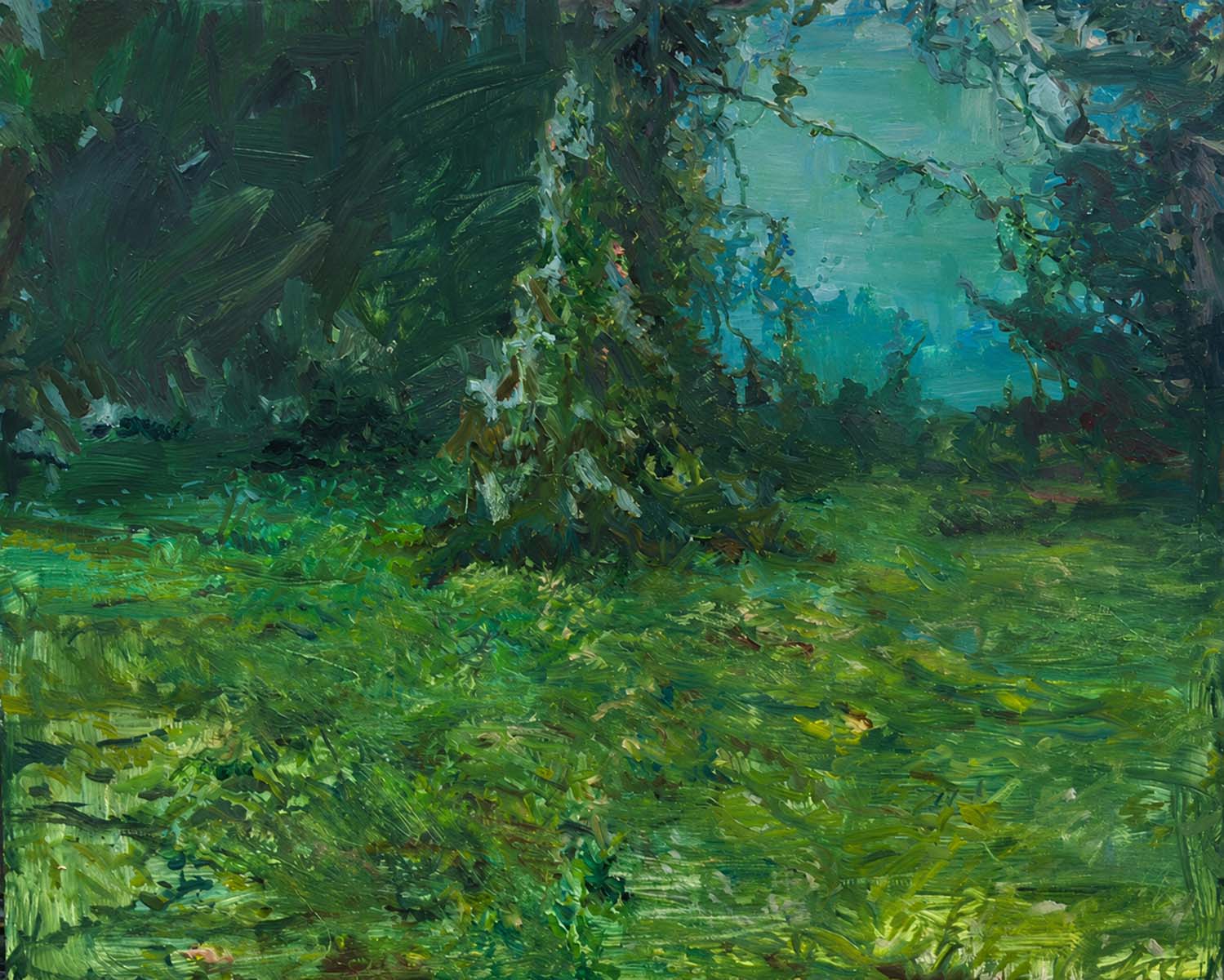
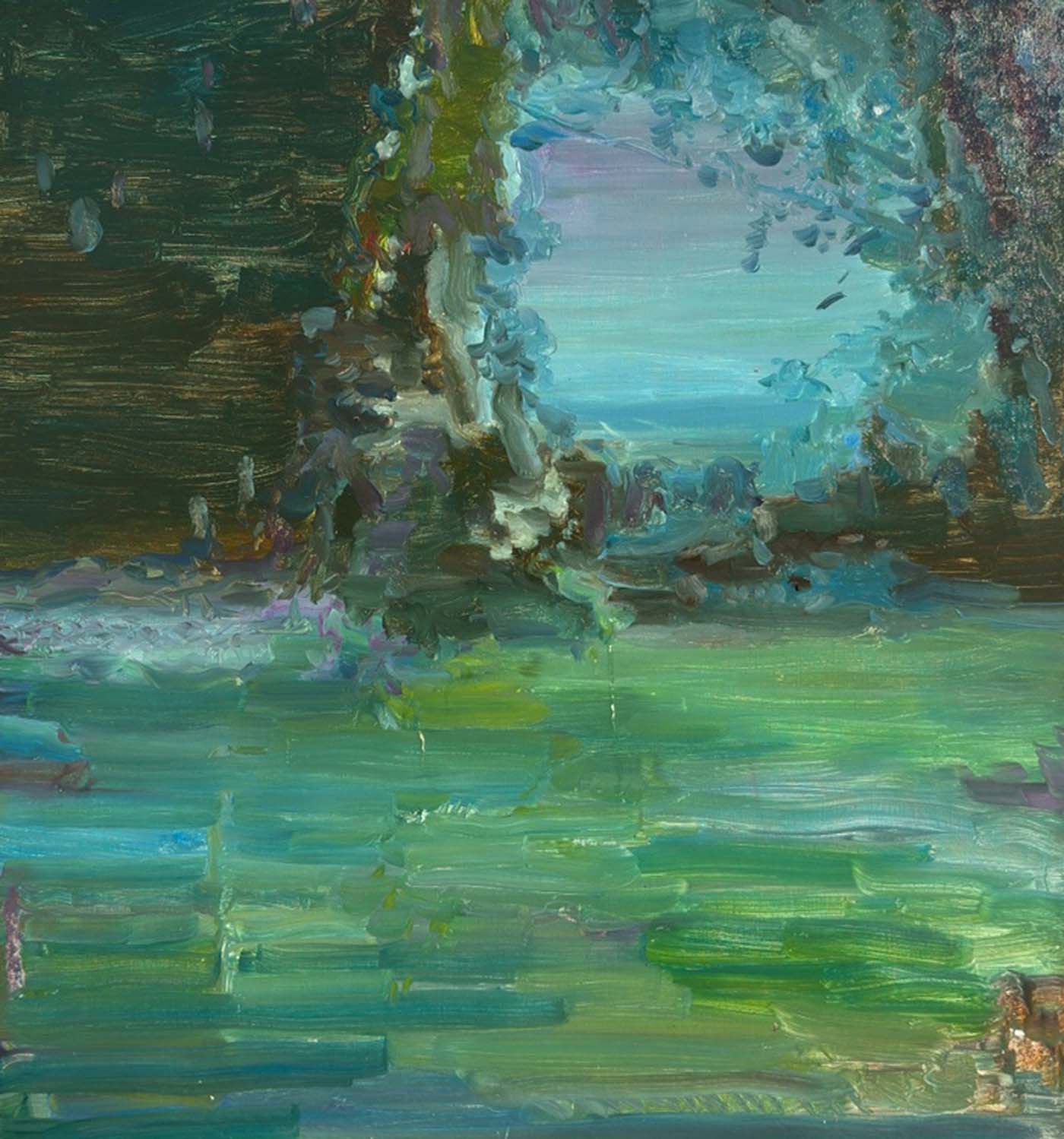
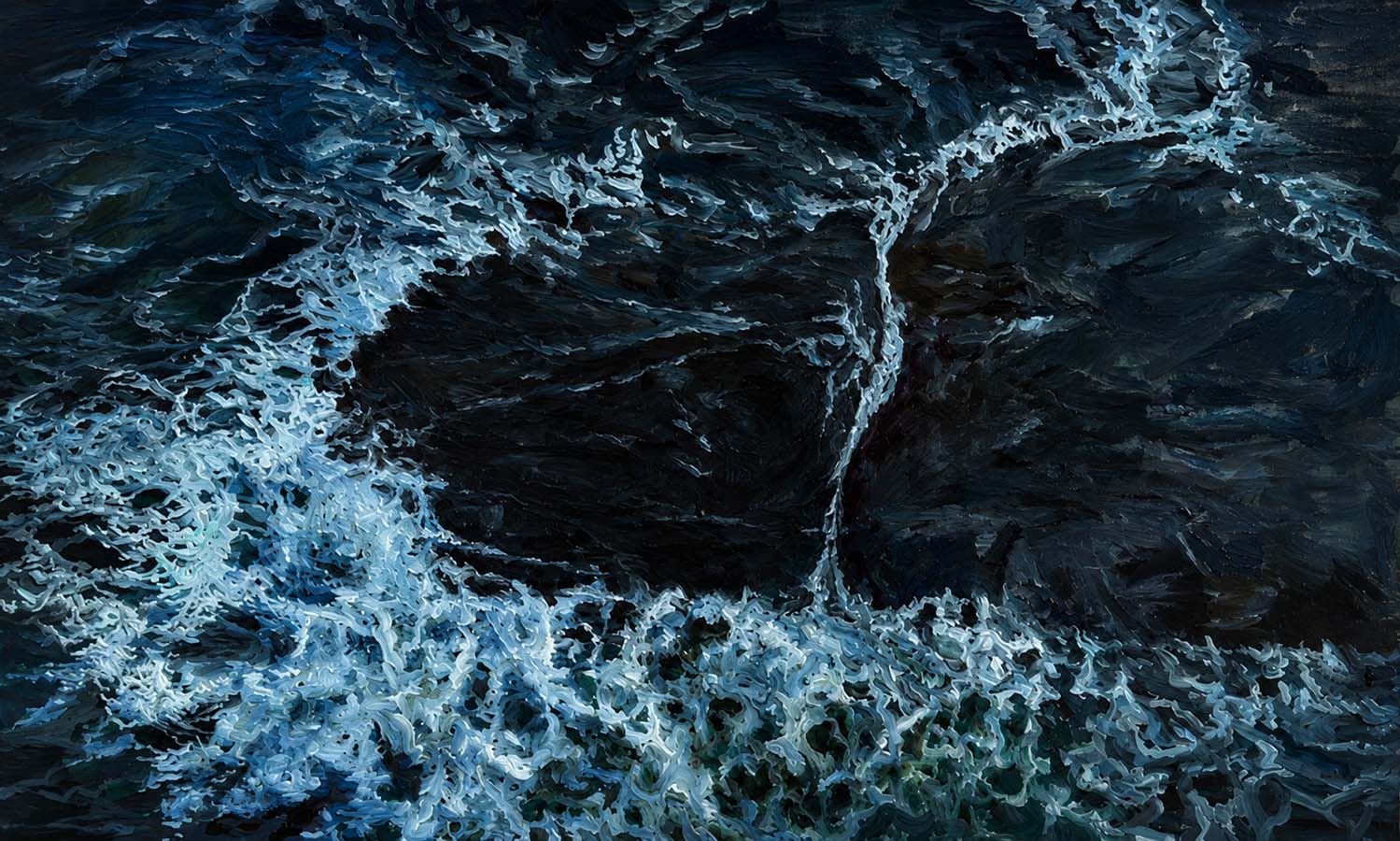
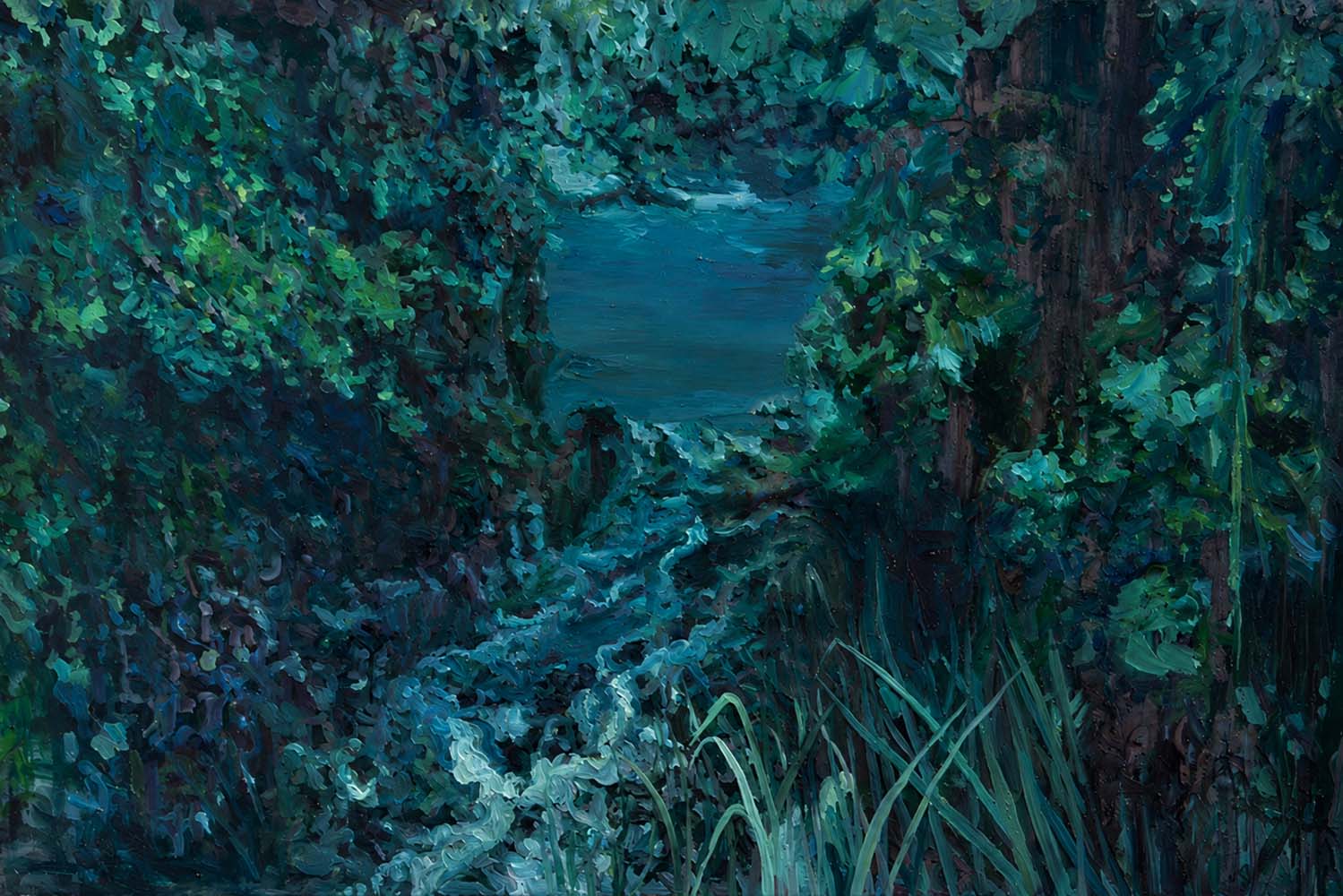
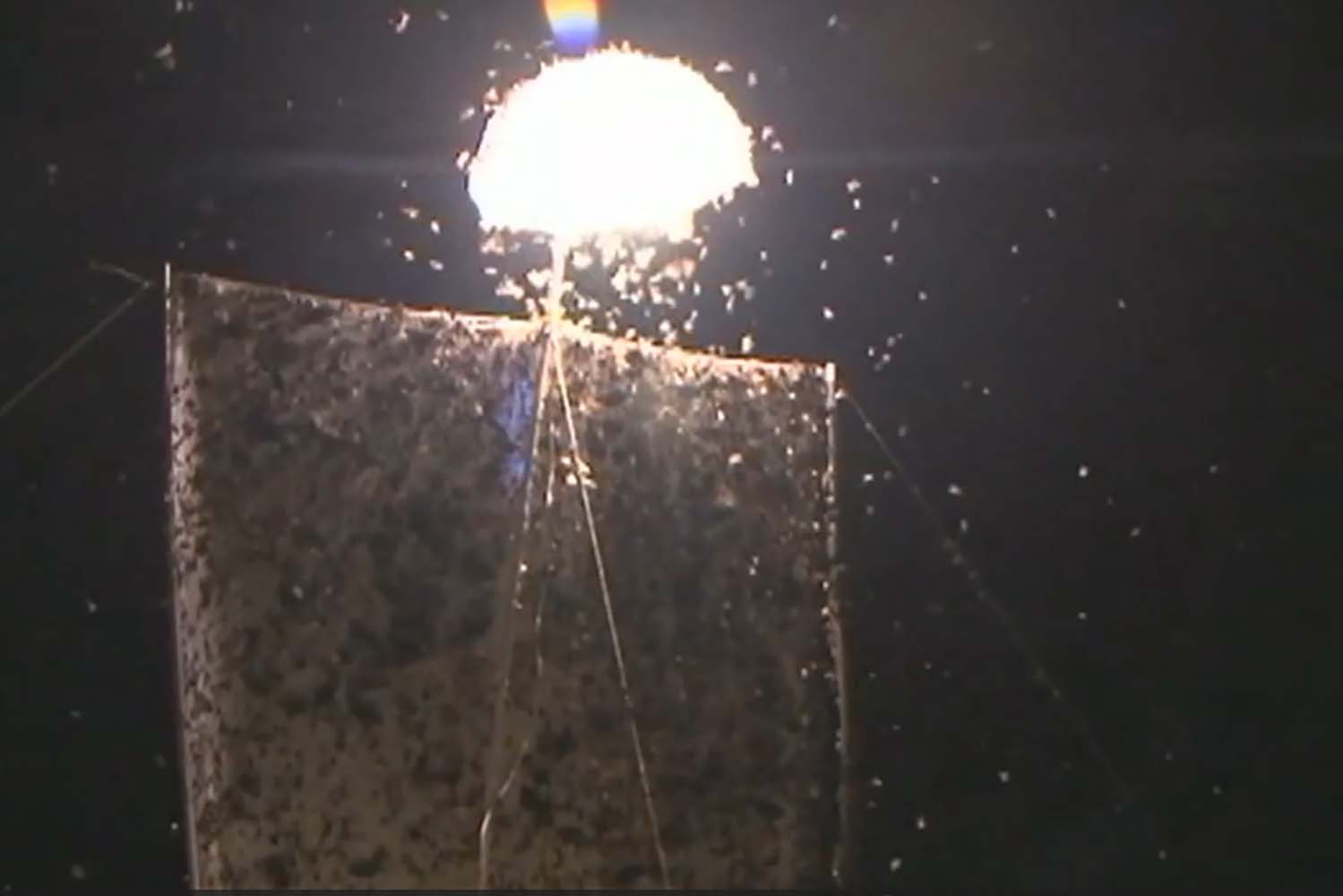
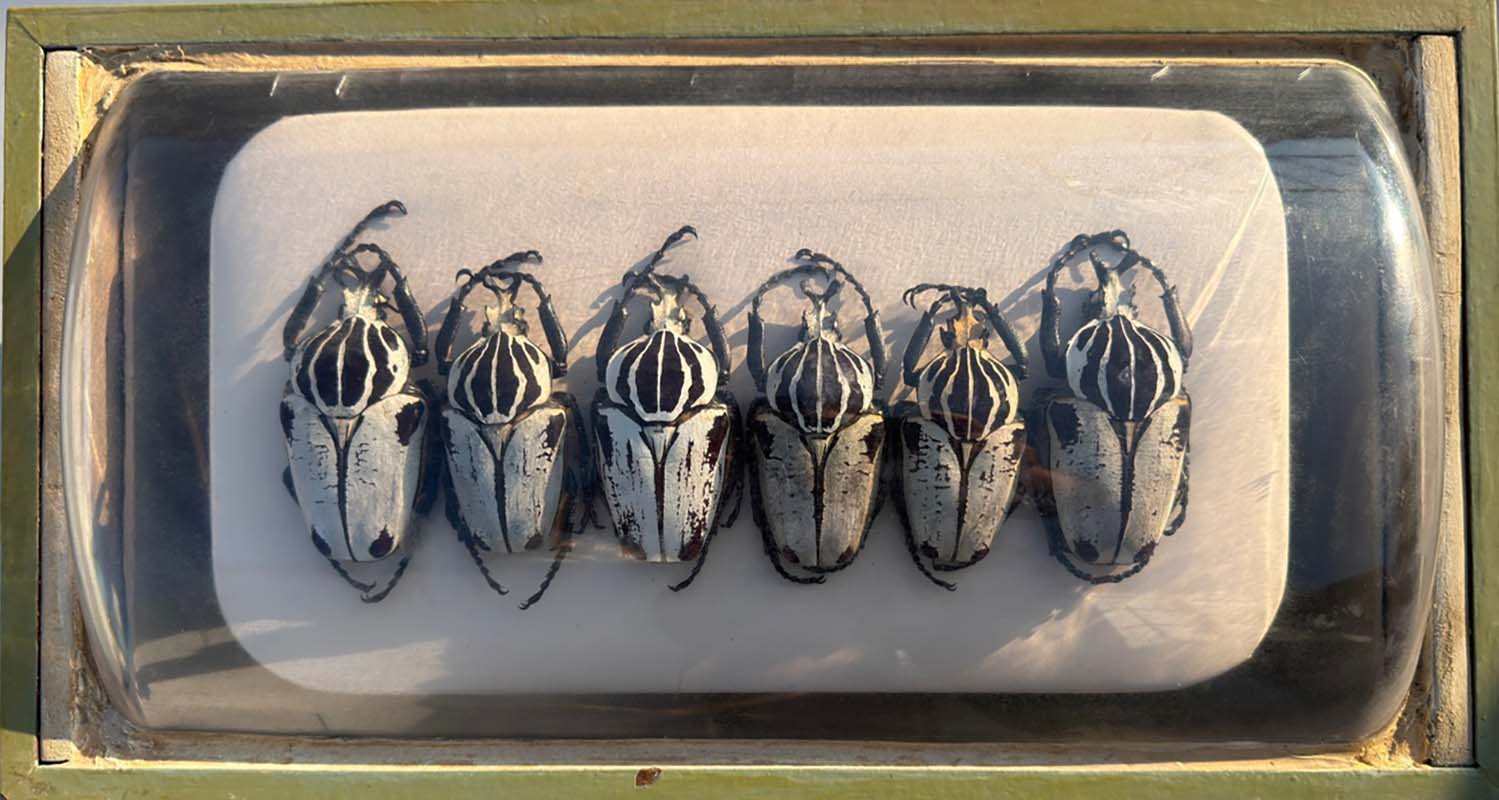
2025년부터 이어온 ‘좌표’ 연작에서 자연 속 현장은 더 이상 채집물을 얻기 위한 배경으로 머물지 않는다. 작업실을 벗어나 끊임없이 이동하는 노마드적 여정 위에서, 작가가 대상을 향해 걷고 멈추어 바라보는 행위는 ‘소유’를 바탕으로 했던 ‘채집’이 축적된 공간에서 실천이 된다. 전시장에 놓인 캔버스 속 형상과 채집물, 그리고 이동과 탐색의 시간을 담아낸 영상은 현장의 거시적 풍경과 미시적 시선을 교차시키며, 한 장소가 몸의 움직임을 통해 기억되고 재구성되는 과정을 입체적으로 드러낸다.
결국 이번 전시의 제목인 ‘이행(履行)의 자연’은 단순히 물리적 거리를 옮겨 다니는 이동(移行)을 넘어, 스스로에게 부과했던 삶의 과제와 존재의 증명을 끝까지 수행해 나가는 정신적 실천, 즉 ‘목적이행정신(目的履行精神)’의 기록이다. 그러나 이 수행은 애초의 목적을 기계적으로 완수하는 데 그치지 않는다. 목적지를 향해 걷는 동안 작가는 찾으려던 대상뿐 아니라 그 생명이 서식하는 환경과 시간을 마주하게 되며, 찰나의 우연들은 시선의 방향을 근본적으로 바꾸어 놓는다.
그러므로 본 전시는 과거의 채집을 단순히 부정하거나 지워내는 자리가 아니다. 허무를 견디기 위해 시작된 강박적 채집이 드 세르토가 말한 ‘공간의 실천’과 노마드적 사유를 거쳐, 억지스러운 목적을 내려놓은 ‘스스로 그러한(自然)’ 자기 긍정의 풍경으로 전회(轉回)하는 과정을 살피는 자리다. 관람객은 작가가 통과해 온 ‘숲과 섬’이라는 치열한 이행의 자연 속에서, 우연이 필연으로, 강박이 성숙한 시선으로 변모하는 조용한 전환의 순간을 목격하게 될 것이다.
Nature of Fulfillment
This exhibition begins with the artist’s self-reflective inquiry into the underlying motives of “collecting”—an act to which they have long been devoted. Having immersed themselves in gathering and archiving fragments of nature and everyday life, the artist began last year to quietly examine the underside of this intense accumulation. In doing so, they confronted a fundamental doubt: was this relentless collecting merely a self-imposed “psychological compulsion” designed to mask existential emptiness and the lethargy of daily life?
The act of constantly harvesting objects and bringing them into one’s personal space served as a defense mechanism against unfocused tedium, as well as a desperate manifestation of a “teleological spirit”—an attempt to impose a concrete trajectory onto vague desires. Yet, in recent days, stepping back from the orbit of addictive accumulation and turning inward, the artist revisits past collected objects to soothe and heal the self.
This inward shift naturally invokes the methodology of “Nomadic Painting” alongside the spatial theory of French philosopher Michel de Certeau. In The Practice of Everyday Life, de Certeau famously defines that “space is a practiced place.” Fixed geographical coordinates of latitude and longitude on a map are transformed into a living, meaningful “space” only when traversed through bodily practices—walking, moving, lingering, and gazing.
In the Coordinates series, ongoing since 2025, sites in nature no longer remain mere backdrops for acquiring specimens. Along a nomadic journey beyond the confines of the studio, the artist’s acts of walking toward a subject, pausing, and observing turn “collecting”—which was once grounded in “information”—into a lived practice within an accumulated space. The forms on canvas, actual collected objects, and video works capturing the duration of movement and exploration intersect macro-landscapes with micro-perspectives, three-dimensionally revealing how a place is remembered and reconstructed through physical movement.
Ultimately, the exhibition’s title, Ihaeng-ui Jayeon (履行의 自然), signifies more than physical relocation; it is a record of a “spirit of purposeful fulfillment”—a mental practice of faithfully carrying out self-assigned life tasks and proofs of existence. However, this fulfillment does not stop at mechanically accomplishing an initial goal. While walking toward a destination, the artist encounters not only the intended object but also the surrounding environment and time in which that life dwells, allowing fleeting coincidences to fundamentally redirect their gaze.
Therefore, this exhibition is not a mere negation or erasure of past collecting. Rather, it traces how compulsive collecting—born to endure emptiness—passes through de Certeau’s “practice of space” and nomadic thought, turning into a self-affirming landscape that is “naturally so” (自然), free from forced purpose. Within this intense terrain of fulfillment across the forests and islands the artist has traversed, viewers will witness a quiet moment of transformation: where coincidence becomes necessity, and compulsion evolves into a mature, contemplative gaze.